
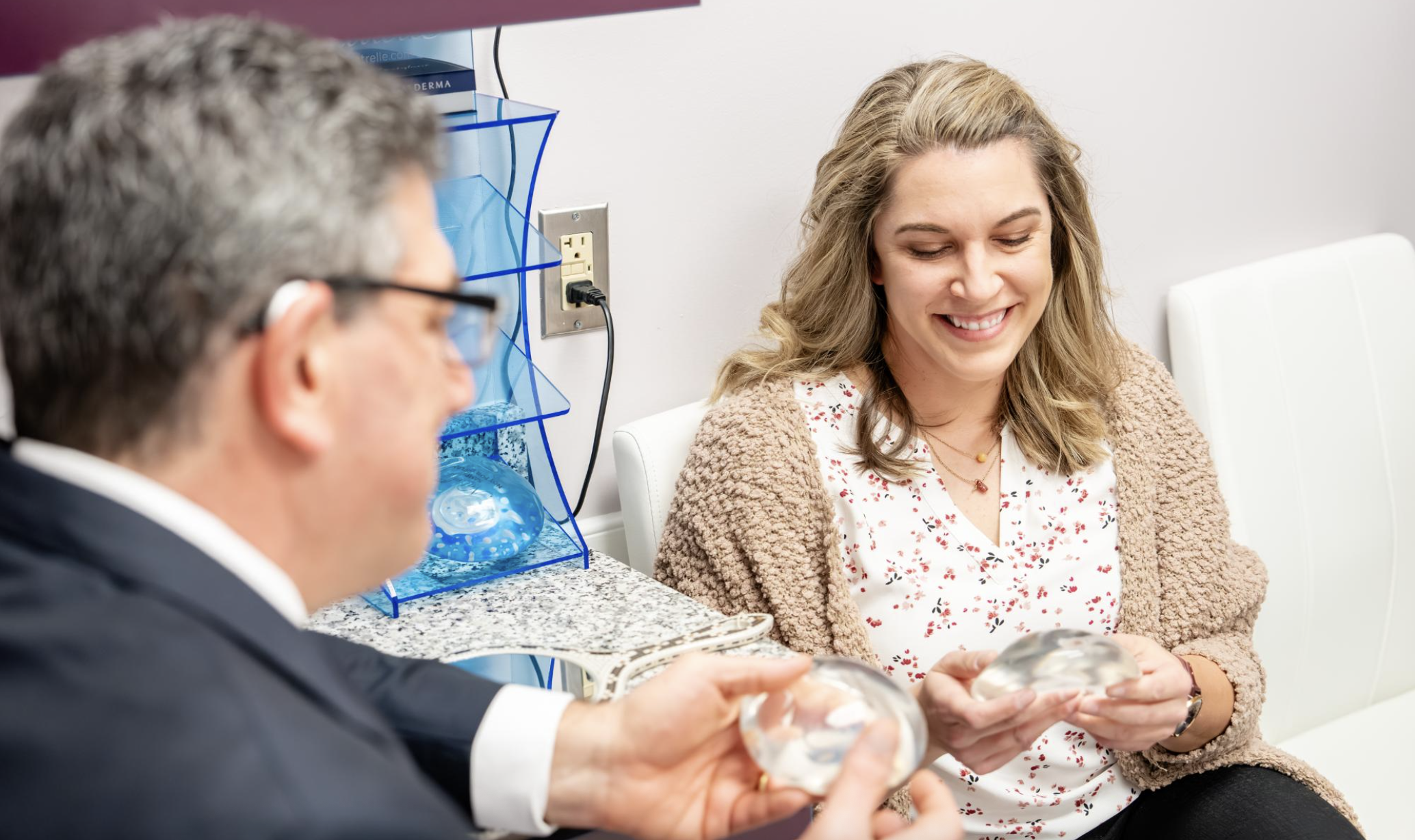
Many people assume that if they want plastic surgery, the surgeon’s job is simply to say yes. In reality, one of my most important responsibilities as a board-certified plastic surgeon is knowing when surgery is—and isn’t—the right choice.
My goal isn’t to perform as many procedures as possible. It’s to help every patient make the safest, healthiest decision for their long-term well-being. During a plastic surgery consultation, that means looking beyond the procedure itself and considering your health, expectations, ability to recover, and timing.
Sometimes, I have to say no to surgery. In some cases, the risks are too high. In others, the patient may not be prepared for recovery, cosmetic surgery may not provide the result they expect, or it may simply not be the right time. These decisions generally fall into four categories.
1. Surgery May Not Be Medically Safe
The first reason I may say no to surgery is medical safety. Certain health conditions can increase the risk of complications during surgery or interfere with healing afterward. Determining whether someone is a good candidate for plastic surgery requires evaluating their overall health and individual risk factors.
For example, it may not be safe to proceed if you have uncontrolled diabetes, high blood pressure, or another medical condition that is not being properly managed. Weight can also be a factor. Higher body weight or an elevated BMI can increase the risk of complications, particularly for procedures involving large incisions or extensive healing. Rather than relying on a single number, I evaluate each patient’s overall health and individual risk factors before recommending surgery.
Patients who currently smoke or use nicotine in other forms, such as vaping, nicotine gum, patches, cigars, or chewing tobacco, are generally not good candidates for surgery because nicotine can restrict blood flow and interfere with healing. Some medications may also make surgery unsafe, particularly blood thinners or immunosuppressants that cannot be stopped.
In some cases, this does not mean surgery is permanently off the table. It may simply mean “not yet.” Once a health condition is under better control, you stop smoking, reach a safer weight, or can safely adjust a medication, you may become a better candidate for safe plastic surgery.
2. Successful Recovery Requires Patient Participation
The results of plastic surgery depend on more than what happens in the operating room. Your recovery also plays an important role, which means you need to be willing and able to follow postoperative instructions.
You also need to be mentally prepared for the recovery process. Swelling, bruising, discomfort, activity restrictions, and temporary changes in appearance are normal after many procedures.
If a patient is not prepared for those challenges or tells me beforehand that they will not be able to follow activity restrictions, care for the surgical area, or attend follow-up appointments, I may decide that surgery is not a good idea. Moving forward without a realistic recovery plan can increase the risk of complications and affect the final result.
A good working relationship with the entire office also matters. Surgery requires communication, trust, and mutual respect between the patient and every member of the care team. How a patient treats the staff can tell me whether that relationship is likely to work well throughout the surgical process.
3. Surgery May Not Align With Patient Expectations
Plastic surgery can create meaningful improvements, but every procedure has limits. If a patient expects a result that surgery cannot realistically provide, moving forward is unlikely to lead to a satisfying outcome.
I may also recommend against surgery when a patient seems overly focused on a specific body part or a very small concern. In some cases, that level of fixation may point to body dysmorphic disorder and should be addressed before considering a procedure.
The reason behind the decision matters too. Surgery should be something you want for yourself, not something you feel pressured to pursue for a spouse, partner, or anyone else. Before moving forward, I want to make sure your goals are realistic and that the procedure is truly the right choice for you.
4. It May Not Be the Right Time for Surgery
Even when a patient is physically healthy enough for surgery, the timing may not be right. Major life changes, such as starting a new job or going through a divorce, can make recovery more difficult. Surgery is not a solution for unrelated personal problems, and it is often better to wait until life is more stable.
Recovery support also matters. For example, a mother of young children may not have enough help at home to recover safely from a tummy tuck while still caring for her family. In that situation, postponing surgery may be the better choice.
Pregnancy plans can affect timing as well. If you are planning to become pregnant soon, it may make sense to delay a tummy tuck or breast surgery until after pregnancy. Patients who are currently pregnant cannot have elective plastic surgery.
Age may also affect which procedures or implants are available. For example, breast implant options can vary based on age, so waiting may provide more choices.
A “No” Today Does Not Always Mean “No” Forever
Being turned down for surgery can be disappointing, but in many cases, “no” really means “not yet.” Some of the factors that make surgery unsafe or impractical can change over time.
You may become a better candidate after improving control of a medical condition, reaching a safer weight, stopping smoking, adjusting a medication, or arranging more support during recovery. Waiting until after pregnancy or until a difficult period in your life has passed may also make elective plastic surgery a better choice.
The goal is not to keep you from having surgery. It is to make sure that if you do move forward, you have the best possible chance of a safe recovery and a satisfying result.
My Responsibility Is To Put Your Well-Being First
My job as a plastic surgeon is not to approve every procedure a patient requests. It is to determine whether surgery is safe, appropriate, and likely to provide a result that meets your goals.
Sometimes, that means recommending that you wait or deciding that surgery is not the right choice. While that can be disappointing, I would rather say no than move forward with a procedure that could put your health at risk or leave you unhappy with the outcome.
A careful, honest evaluation is an important part of responsible plastic surgery. My responsibility is always to put your safety, recovery, and long-term well-being first.
If you are considering plastic surgery, a consultation is the best place to start. At Virginia Center for Plastic Surgery, I will take the time to evaluate your health, goals, expectations, and timing so we can determine whether surgery is a safe and appropriate choice for you.
Schedule a plastic surgery consultation today to learn more about your options.